









The shower curtain is the largest textile in the bathroom, acting as a massive, damp wall that defines the hygiene of the space. While we meticulously scrub the toilet porcelain and polish the chrome fixtures, the curtain often suffers from a form of selective blindness. We pull it shut to hide the tub, or we push it open to enter the shower, rarely stopping to inspect the hem. However, this sheet of fabric or vinyl is biologically active. It resides in a zone of constant humidity, subjected to splashes of body oils, dead skin cells, and soap residue. This combination creates a nutrient-rich environment for the proliferation of bacteria and fungi. The pinkish slime that climbs up the bottom edge and the black speckles of mold that colonize the folds are not merely aesthetic failures; they are colonies of living organisms that degrade the air quality of the room and the cleanliness of your bathing experience. Restoring a shower curtain is a necessary protocol that extends the life of the item and ensures your shower remains a sanctuary rather than a swamp.
Exterior and Interior Curtains
To clean a shower curtain effectively, one must first distinguish between the two components often present: the decorative outer curtain and the functional inner liner. The outer curtain, usually made of cotton, polyester, or linen, sits outside the tub. It collects dust, hairspray residue, and humidity but rarely suffers from direct soap scum buildup. Cleaning this is largely a laundry task. The inner liner, typically made of vinyl (PVC), PEVA, or treated polyester, bears the brunt of the biological assault. It sits inside the tub, constantly wet and coated in mineral deposits. Treating these two very different materials with the same method often results in a melted liner or a shrunken curtain.

The most common and effective method for cleaning a plastic or vinyl liner is, surprisingly, the washing machine. There is a persistent myth that plastic cannot go in the washer, but with the correct mechanics, it is the most efficient way to remove biofilm. The secret to success lies in agitation and temperature control. Plastic liners are non-porous and smooth; they do not rub against themselves effectively enough to scrub away grime. To compensate for this, you must add “scrubbers” to the load. Placing the liner in the machine with two or three clean bath towels provides the necessary friction. The terry cloth loops of the towels act like thousands of tiny brushes, scouring the surface of the plastic as the drum spins. Without the towels, the liner simply glides around in the water, emerging wet but still dirty.
Hot Water or Cold Water?
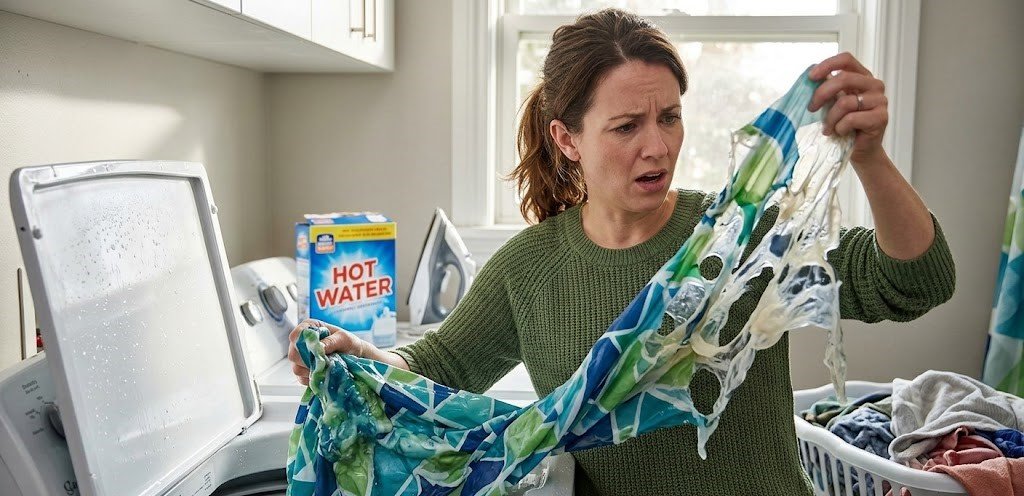
Temperature is the critical variable when machine washing plastic. Hot water will soften the vinyl to the point of deformation or melting, ruining the structural integrity of the curtain. Cold water, while safe, may not be effective enough to dissolve the waxy buildup of soap scum. The ideal setting is warm water. It makes the plastic pliable enough to be scrubbed by the towels but not soft enough to stretch. Furthermore, the choice of detergent matters. Standard laundry detergent is designed for fabrics. For a plastic liner coated in minerals and mold, you need chemistry that targets those specific issues. Adding a half-cup of baking soda to the wash cycle provides a gentle abrasion that helps lift the black mold spots without scratching the plastic. For the rinse cycle, adding a half-cup of white vinegar is essential. The acetic acid in the vinegar cuts through the residual detergent and dissolves the calcium carbonate (hard water minerals) that leaves the liner looking cloudy.
If the liner is heavily infested with black mold—distinct from the pink bacteria—chlorine bleach is often the only remedy that will kill the root structure of the fungus. However, bleach creates a chemical reaction with some plastics that can cause yellowing or brittleness over time. It should be used sparingly and only on white or clear liners. If you choose to use bleach, do not mix it with vinegar, as this creates toxic chlorine gas. You must choose your chemical weapon: acid (vinegar) for scale and soap scum, or oxidizer (bleach) for mold.
Bathtub Soak
For those who prefer not to use a machine, or for liners that are too fragile, the bathtub soak is the manual alternative. Fill the tub with warm water and dissolve a cup of oxygen-based bleach (sodium percarbonate) or a specialized mold remover. Submerge the curtain fully. You may need to weigh it down with a heavy shampoo bottle to keep it underwater. Let it dwell for at least an hour. This soaking period allows the chemical agents to penetrate the biofilm and loosen the bond of the dirt. After the soak, mechanical action is still required. Using a soft-bristled brush or a microfiber cloth, scrub the bottom hem vigorously. This is where the “pink slime”—Serratia marcescens—congregates. This bacterium feeds on fatty deposits from soap and shampoo, and it forms a tenacious grip on the textured hem of the curtain.
The drying process is where many homeowners ruin their liners. Never, under any circumstances, put a plastic or vinyl shower curtain in the tumble dryer. The heat, even on a low setting, is often sufficient to melt the plastic, fusing it to itself or, worse, to the drum of your expensive dryer. The proper method is gravity drying. Immediately after the wash cycle finishes, take the liner out and hang it back up on the shower rod. The warm, pliable plastic will drip dry, and the weight of the water will naturally pull any wrinkles out. Spread the curtain fully across the rod to ensure airflow reaches every fold. If you bunch it up while damp, the mold will return within twenty-four hours.
Fabric curtains require a different approach. While they can usually be washed on a standard warm or cool cycle, the risk is shrinkage. Cotton and linen are prone to shrinking when exposed to heat and agitation. Always check the care label. For fabric curtains that have developed a musty smell, baking soda is again a powerful ally in the wash cycle to neutralize odors. If the fabric has developed mildew spots—often caused by the wet liner touching the dry curtain—an oxygen bleach soak is safer for colors than chlorine bleach. Fabric curtains can be tumbled dry on low heat, but taking them out while slightly damp and hanging them to finish drying prevents deep-set wrinkles and maintains the drape of the fabric.
Prevention
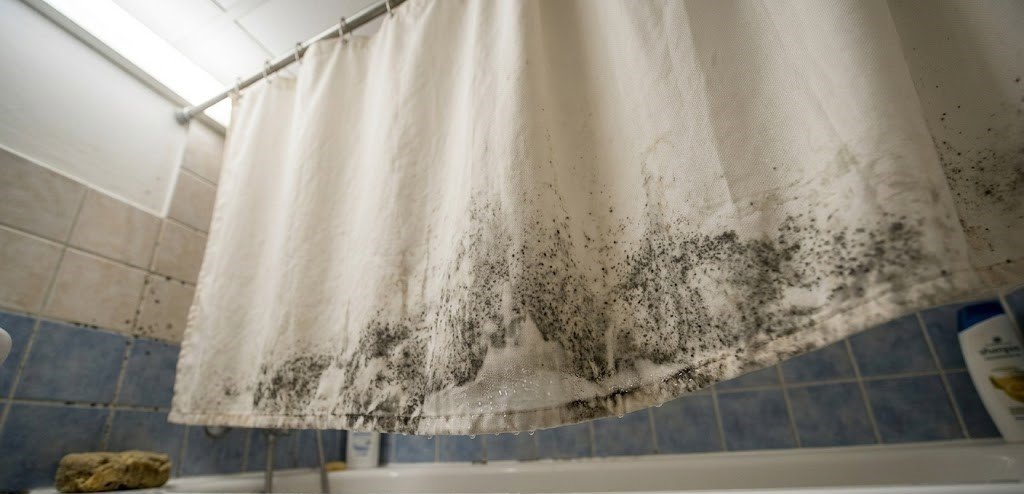
Prevention is the ultimate cleaning strategy. The lifespan of a shower curtain is directly correlated to how it is managed after the shower. The most damaging habit is leaving the curtain bunched up against the wall. This creates a dark, anaerobic pocket where water cannot evaporate. This moisture trap is the incubator for mold. The curtain must be drawn closed (flat) across the rod after every use to allow air to circulate around the entire surface. Additionally, trimming the bottom of the liner is a “pro tip” often overlooked. Most liners are too long for standard tubs, resulting in several inches of plastic sitting on the tub floor in a puddle of water. Using scissors to trim the liner so it hangs just an inch or two inside the tub prevents this contact, eliminating the primary breeding ground for slime.
The shower curtain rings or hooks also demand attention. They gather dust on the top and rust on the bottom where they contact the wet rod. During the deep clean, remove the rings and soak them in hot soapy water. If they are metal and showing signs of rust, the rust can transfer to the fabric curtain, leaving permanent orange stains. Scrubbing the rings and the shower rod itself ensures that your clean curtain is hanging on a clean support system.
There comes a point of diminishing returns where cleaning is no longer viable. If a plastic liner has become brittle, cracked, or if the mold has penetrated the plastic structure (appearing as dark shadows inside the material rather than on top), it is time to replace it. A degraded liner harbors bacteria in its micro-cracks that cannot be scrubbed out. However, with regular monthly maintenance using the machine-wash-with-towels method, a high-quality liner can last for years rather than months, reducing plastic waste and saving money.
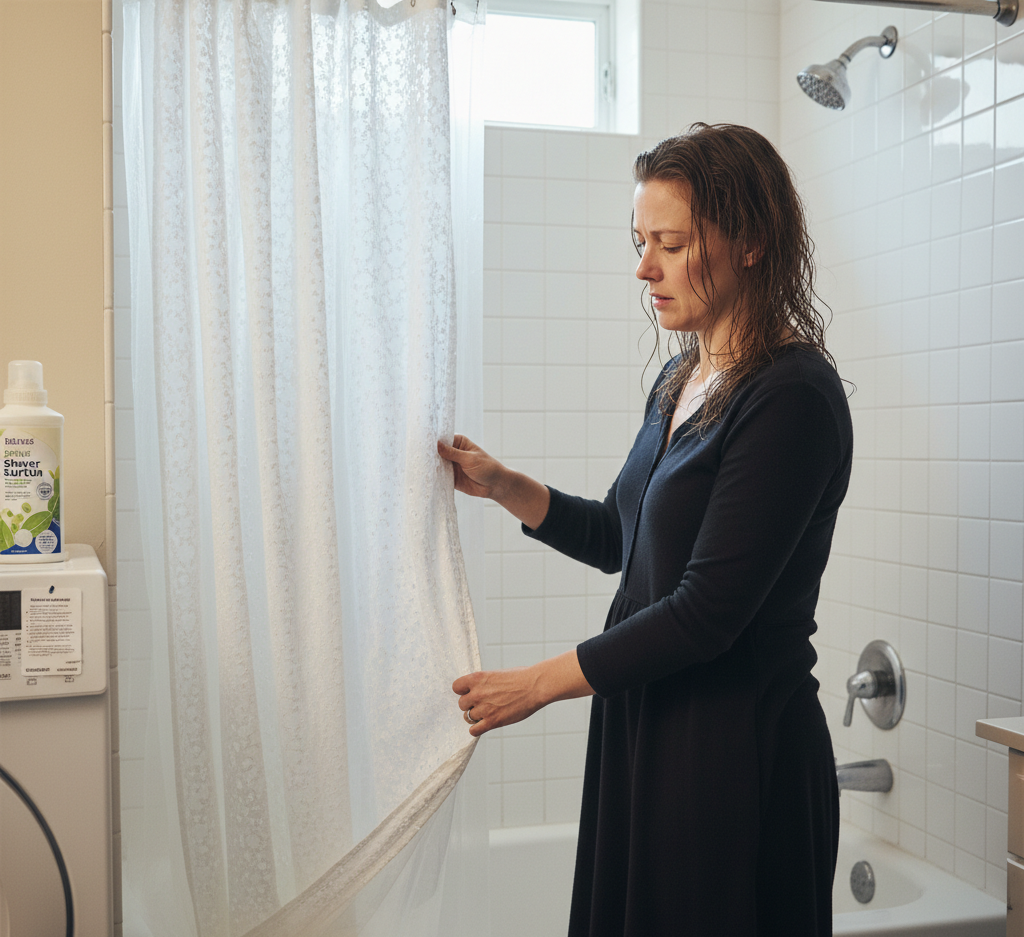
Cleaning the shower curtain is a task that yields a disproportionately high reward for the effort involved. A sparkling, transparent liner allows more light into the shower, making the space feel larger and cleaner. The absence of the musty “wet dog” smell that often emanates from a dirty curtain transforms the bathroom atmosphere. It restores the shower to its intended purpose: a place of cleanliness.
Maintaining the bathroom involves a constant battle against humidity and biology. While tossing the curtain in the wash is a manageable task, the rest of the room—the grout lines, the glass doors, the porcelain fixtures—requires a level of scrubbing and chemical knowledge that can be overwhelming. When the pink slime persists on the tiles or the hard water stains cloud your vision, professional support is the solution. Toronto Shine Cleaning understands the microbiology of the bathroom. We know that a clean curtain is just one part of a sanitary environment. Our professional team provides the deep, restorative cleaning that tackles the mold in the corners and the scale on the faucets. Whether you need a seasonal overhaul to banish bathroom mildew or regular maintenance to keep your sanctuary pristine, Toronto Shine Cleaning has the expertise to handle the heavy lifting. By entrusting your home to us, you ensure that your bathroom remains a hygienic, sparkling retreat, from the ceiling to the bottom hem of the shower curtain.