Cleaning Products

Maintaining a Clean Bin

Garbage Bin cleaning: 4 Tricks To Eliminate Odors And Leave It Looking Like New

The garbage bin is the most thankless and hardworking fixture in any home. It is a vessel of necessity, the silent recipient of our daily waste, and the frontline in the constant battle against dirt, decay, and disorder. It is a tool so fundamental to household hygiene that it is often completely overlooked, left to its own devices in a corner of the kitchen or at the side of the house until the moment its presence becomes unavoidable, usually through a foul odor or an unpleasant discovery. Cleaning a garbage bin is not a glamorous task. There is no satisfying “before and after” reveal that you will be eager to show off. Yet, the proper maintenance and regular, thorough cleaning of your garbage bins are among the most critical cleaning routines for a healthy, pest-free, and pleasant-smelling home. To neglect the bin is to invite problems that are far more difficult and disgusting to solve than the cleaning task itself.   1.The Anatomy of a Filthy Bin To understand how to clean a garbage bin effectively, you must first understand why it gets so profoundly dirty. The problem is a combination of three factors: organic matter, moisture, and time. Every scrap of food, every used paper towel soaked in meat juice, and every discarded vegetable peeling is organic matter. Once inside the dark, contained environment of a garbage bag, this matter begins to decompose. This process is driven by bacteria, which break down the food waste and, in doing so, release a cocktail of volatile organic compounds. These compounds are what we perceive as the smell of garbage, gases like hydrogen sulfide (rotten eggs) and methane. Moisture is the accelerator for this entire process. A dry environment slows bacterial growth significantly. However, garbage is rarely dry. Leaky food containers, wet food scraps, and condensation create the perfect humid breeding ground for bacteria to thrive and multiply exponentially. This is why a small tear or leak in a garbage bag is so catastrophic. The liquid that seeps out, a substance often referred to as “leachate” or “garbage juice,” is a highly concentrated bacterial soup. It soaks into the bottom of the bin, and even after the bag is removed, that residue remains, providing the seed for the next cycle of odor and grime. Time simply allows these processes to fester. The longer the organic matter and moisture are left to interact, the more intense the decomposition, the stronger the smell, and the more stubborn the resulting grime will be. This sticky, foul-smelling film that coats the bottom and sides of a neglected bin is a biofilm—a complex community of microorganisms that have attached themselves to the surface and to each other. It is not just dirt; it is a living, stinking ecosystem. This environment is also the perfect nursery for pests. Flies are drawn to the smell of decay to lay their eggs. In the warm, protected, and nutrient-rich environment of a garbage bin, these eggs hatch into maggots in as little as eight hours. Rodents and other scavengers are also attracted by the scent, and a bin without a secure lid is an open invitation for a nightly buffet. 2.The Tools for the Task Cleaning a garbage bin is a heavy-duty job that requires more than a simple sponge and some soap. You need to be prepared for a wet, messy, and smelly process. Assembling the right tools beforehand will make the job faster, more effective, and more tolerable. Protective Gear: This is non-negotiable. Wear heavy-duty rubber gloves to protect your hands from bacteria and harsh cleaning agents. Safety glasses are also highly recommended to protect your eyes from splashes of dirty water and chemicals. A Hose with a High-Pressure Nozzle: The ability to spray down the bin from a distance is a significant advantage. A high-pressure nozzle will help dislodge caked-on grime and rinse the bin effectively. If you don’t have a hose, a few large buckets of hot water will work, but it will require more effort. A Long-Handled, Stiff-Bristled Brush: This is your primary scrubbing tool. A long handle is crucial, as it allows you to reach the bottom of the bin without having to stick your head and shoulders inside. A deck brush or a toilet brush reserved exclusively for this purpose works perfectly. Degreasing Dish Soap: The sticky, greasy nature of the biofilm requires a strong degreaser. A quality dish soap is designed to cut through grease and is an excellent first-line cleaner. A Disinfectant: After cleaning, you need to sanitize. There are several options. A diluted bleach solution (about one cup of bleach per gallon of water) is highly effective at killing bacteria, mold, and viruses. For a less harsh alternative, a solution of equal parts white vinegar and water can be used. Vinegar is a natural disinfectant and deodorizer. Baking Soda: This is an excellent deodorizer and a mild abrasive that can help with scrubbing. 3.The Deep Cleaning Method The best place to perform this task is outdoors, on a lawn or a patch of gravel where the dirty water can drain away without staining a driveway. Empty the Bin Completely: Make sure there is no loose debris left inside. The Pre-Rinse: Using your hose, give the entire interior of the bin a thorough spray-down. Use the highest pressure setting to blast off as much of the loose dirt and grime as possible. Pour out the dirty water. The Degreasing Scrub: Pour a generous amount of dish soap into the bottom of the bin and add a few inches of the hottest water you can safely handle. Take your long-handled brush and begin scrubbing. Start with the bottom and work your way up the sides. Apply firm pressure and focus on the corners and any visible patches of caked-on grime. Don’t be afraid to put some effort into it; you are physically breaking apart that stubborn biofilm. Once you have scrubbed the entire interior, pour out the soapy, dirty water. The Disinfecting Soak: Now it is time to sanitize and deodorize. If

Garbage Bin cleaning: 4 Tricks To Eliminate Odors And Leave It Looking Like New Read More »

laminate floor cleaning

Best Ways To Clean Laminate Flooring Without Damage

Laminate flooring is a triumph of modern engineering, offering the sophisticated look of hardwood, stone, or tile without the high cost and demanding maintenance. Its popularity in homes across the world is a testament to its durability, versatility, and ease of care. Composed of multiple layers fused together through a lamination process, this flooring is designed to withstand the rigors of a busy household. The top layer is a tough, transparent wear layer that protects the decorative, high-resolution image layer beneath it. Below that, a dense inner core of fiberboard provides stability and impact resistance, and a final backing layer adds moisture resistance. This multi-layered construction is what gives laminate its strength, but it also dictates a very specific set of cleaning and maintenance rules. The greatest vulnerability of laminate flooring lies in its core and seams. While the top wear layer is highly water-resistant, the fiberboard core is not. Excessive moisture that seeps between the planks can cause the core to swell, warp, and buckle, leading to irreparable damage. Therefore, the cardinal rule of laminate floor care is simple: water is the enemy. Understanding how to clean your laminate floors effectively is not about soaking and scrubbing, but about using the right tools and techniques to remove dirt and grime while using the absolute minimum amount of liquid. The Foundation of Laminate Care The best way to keep your laminate floors looking their best is through consistent, preventative cleaning. The goal is to remove the daily accumulation of dust, dirt, and grit before it has a chance to damage the floor’s surface. Small particles of sand and dirt act like fine-grit sandpaper underfoot, creating microscopic scratches in the wear layer that will, over time, dull the floor’s finish. Your Essential Toolkit: A Soft-Bristled Broom or a Dust Mop: This is your first line of defense. A dust mop with a microfiber head is superior to a traditional broom, as it traps dust and pet hair using a static charge rather than just pushing it around. A Vacuum Cleaner with a Hard Floor Setting: A vacuum is excellent for picking up debris from between the planks. Crucially, you must use a vacuum that either has a dedicated hard floor head (with soft bristles) or allows you to turn off the beater bar/brush roll. A stiff, rotating beater bar designed for carpet can scratch and damage the surface of your laminate. A High-Quality Microfiber Mop: This is the most important tool for actually “washing” your laminate floors. Its absorbent pads are designed to clean effectively with very little water. A pH-Neutral Floor Cleaner (or a DIY solution): You need a cleaner that won’t leave a hazy residue or damage the floor’s protective layer. Daily Maintenance The most effective daily habit you can adopt is a quick sweep with a dust mop or a soft-bristled broom. This takes only a few minutes and is the single best thing you can do to prevent long-term wear and tear. Place high-quality doormats at every entrance to your home to trap a significant amount of dirt, grit, and moisture before it even reaches your floors. Weekly Cleaning Once a week, a more thorough cleaning is in order. Dry Clean First: Always begin by thoroughly removing all loose dust and debris. Use your dust mop or vacuum (with the beater bar turned off) to clean the entire floor. This step is crucial; if you start mopping a dirty floor, you are essentially just pushing around a slurry of abrasive grit, which can cause scratches. Spot-Treat Stains: Inspect the floor for any spots or spills and treat them individually before you mop. For most common spots, a damp microfiber cloth is sufficient. For tougher marks like scuffs or ink, you can use a small amount of isopropyl (rubbing) alcohol on a cloth. Prepare Your Mopping Solution: This is where the “less is more” principle is vital. You have several options for a safe and effective cleaning solution: Commercial Laminate Floor Cleaner: This is often the safest bet. Choose a pH-neutral, water-based cleaner specifically formulated for laminate. Always follow the dilution instructions on the bottle. DIY Vinegar Solution: For a simple, inexpensive option, mix a solution of one part white vinegar to ten parts warm water in a spray bottle. The vinegar helps to dissolve grime and won’t leave a residue. (For a very large area, you can use a ratio of a half-cup of vinegar to a gallon of water). DIY Alcohol Solution: For a quick-drying, streak-free clean, mix equal parts water, isopropyl alcohol, and white vinegar in a spray bottle.Important: Never use oil-based soaps (like Murphy Oil Soap), wax, or any product that promises to add a “shine” to your floor. These products will leave a dull, streaky film that is very difficult to remove and can create a dangerously slippery surface. The Damp-Mop Technique: This is the most critical part of the process. Never flood your laminate floor with water. Your microfiber mop pad should be damp, not wet. If you are using a mop and bucket, submerge the mop head in your cleaning solution and then wring it out until it is almost dry to the touch. The superior method is to use a spray bottle. Lightly mist a small section of the floor with your chosen cleaning solution and then immediately wipe it up with your dry microfiber mop. Work in small, manageable sections, misting and wiping as you go. This technique ensures that no standing water is left on the floor to seep between the seams. Dry If Necessary: A properly damp-mopped floor should air-dry in a minute or two. If you see any areas that are still wet, wipe them with a clean, dry microfiber cloth to prevent water spots. Tackling Common Spills and Stains The protective wear layer on laminate flooring makes it highly resistant to stains, but quick action is always the best policy. Liquid Spills (Water, Juice, Soda): Wipe up immediately with a clean, dry cloth. For sticky spills, use a cloth dampened with your regular cleaning solution, then wipe with a clean, water-dampened

Best Ways To Clean Laminate Flooring Without Damage Read More »

Cleaning Quartz Countertops: How to Clean Efficiently and Quickly

Quartz countertops have become a hallmark of the modern kitchen and bathroom, celebrated for their stunning aesthetics, vast range of colours, and remarkable durability. But what truly sets quartz apart from natural stones like granite or marble is its engineering. A quartz countertop is a composite material, typically made of about 90-95% ground natural quartz crystals bound together with a polymer resin and pigments. This manufacturing process creates a surface that is non-porous, a crucial feature that lies at the heart of its easy maintenance and superior hygiene. Unlike natural stone, which has microscopic pores that can absorb liquids and harbor bacteria, the resin in quartz seals the surface completely. This means spills are less likely to cause permanent stains, and germs have nowhere to hide. However, this engineered perfection does not mean quartz is indestructible. The very resin that provides its non-porous shield is also the component most vulnerable to damage from improper cleaning methods. Understanding how to care for your quartz countertops is essential to preserving their beauty and ensuring they last a lifetime. The Golden Rules of Quartz Care Before diving into specific cleaning methods, it’s vital to internalize a few fundamental principles. These rules are designed to protect the resin that binds the quartz together, which is the key to its longevity. Be Gentle: Your primary cleaning tools should be soft. Abrasive scrubbers and harsh chemicals are the enemies of a quartz surface. Act Fast: The non-porous nature of quartz gives you a grace period, but it’s not infinite. Wiping up spills, especially acidic or highly pigmented ones, as soon as they happen is the best way to prevent potential staining. Use a Simple Solution: For the vast majority of cleaning tasks, a simple solution of mild dish soap and warm water is all you will ever need. Avoid Extreme Heat: The resin used in quartz countertops can be damaged by sudden and extreme temperature changes (thermal shock). Always use trivets or hot pads for pots and pans coming directly from the stove or oven. Your Daily Cleaning Routine The beauty of quartz is that its daily maintenance is incredibly straightforward. A few minutes each day is all it takes to keep your countertops looking pristine. You Will Need: A soft sponge or microfiber cloth Mild dish soap A spray bottle with warm water A clean, dry microfiber cloth The Process: Clear the Surface: Remove any crumbs, food particles, and debris from the countertop with a soft, dry cloth or a soft-bristled brush. Create Your Cleaning Solution: In your spray bottle, mix warm water with a few drops of a gentle, pH-neutral dish soap. You don’t need a lot of soap; too much will leave a hazy film. Spray and Wipe: Lightly mist the entire surface of the countertop with the soap and water solution. Using your soft sponge or microfiber cloth, wipe down the entire area in gentle, circular motions. Rinse (If Necessary): If you used a bit too much soap, you may need to rinse the surface. Wipe the countertop with a separate cloth dampened with plain water to remove any soap residue. Dry and Buff: This is a crucial step that many people skip. Using your clean, dry microfiber cloth, thoroughly dry the entire countertop. This not only prevents water spots and streaks but also buffs the surface to a beautiful, lustrous shine. Tackling Tougher Spills and Stains Even with diligent daily cleaning, stubborn spots and spills are bound to happen. The non-porous surface of quartz gives you an advantage, but some substances require a bit more effort. Dried-On Food: If you encounter hardened food, resist the urge to scrape it off with a metal knife or scour pad. Instead, spray the spot with your water and soap solution and let it sit for 5-10 minutes to soften the residue. Then, gently lift the food away using a flexible plastic putty knife or a plastic pan scraper. Once the gunk is removed, clean the area as usual. Grease and Oil: Quartz is highly resistant to grease stains, but splatters can leave a film. For greasy spots, a good degreasing dish soap is your best friend. Apply a small amount directly to the greasy area, add a little water, and work it into a lather with a soft sponge. Wipe away the residue and rinse thoroughly to ensure no soap film is left behind. Stubborn Stains (Wine, Coffee, Tea, Permanent Marker): For more persistent stains that don’t lift with soap and water, you have a few safe options. Isopropyl Alcohol: Dampen a soft cloth with isopropyl (rubbing) alcohol and apply it to the stain. Let it sit for a minute, then rub gently in a circular motion. The alcohol acts as a solvent that can break down many stubborn pigments. Once the stain is gone, rinse the area with plain water and dry. Baking Soda Paste: For a gentle abrasive option, create a paste of baking soda and a small amount of water. Apply the paste to the stain and let it sit for a few minutes. Using a soft sponge, gently scrub the area. The baking soda provides a very fine grit that can help lift stains without scratching the resin. Rinse thoroughly and dry. Hard Water Stains: If you live in an area with hard water, you may notice a chalky film or mineral deposits, especially around the faucet. For this, white vinegar can be used—but with extreme caution. While quartz is generally resistant to acid, prolonged exposure can potentially dull the finish of the resin. Spray a small amount of a 50/50 vinegar and water solution onto the hard water spot, let it sit for no more than one minute, then immediately rinse the area thoroughly with plain water and dry completely. What to AVOID Protecting your investment is just as much about what you don’t do as what you do. Using the wrong product can cause irreversible damage to the resin, leading to discoloration, dulling, and a breakdown of the surface. NEVER Use Harsh or Abrasive Chemicals: This is the most important rule. Keep the following far

Cleaning Quartz Countertops: How to Clean Efficiently and Quickly Read More »

How to Tackle Tough Stains on Clothes: 5 Proven Methods

An inevitable part of life is stains on clothes. A drop of coffee on a crisp white shirt, a splash of red wine at a party, or a grass stain after a day at the park: these incidents are universal. The panic that follows, however, doesn’t have to be. Understanding the nature of stains on clothes and knowing the correct approach to treat them can transform a potential wardrobe disaster into a minor inconvenience. The key to successfully removing stains on clothes is not a single magic product, but a combination of swift action, correct technique, and knowledge of how different substances interact with fabric. The first and most critical rule of stain removal is to act as quickly as possible. A fresh stain is a temporary problem; a set-in stain is a long-term challenge. The longer a staining agent has to penetrate and bond with the fabric fibers, the more difficult it will be to remove. The moment a spill occurs, your goal is to remove as much of the excess substance as possible without making the situation worse. This leads to the second rule: blot, don’t rub. Rubbing stains on clothes grinds the particles deeper into the fabric and can spread the stain over a larger area, weakening or fraying the fibers in the process. Use a clean white cloth or a paper towel to gently blot the stain, working from the outside edges inward to prevent it from spreading. Before applying any cleaning solution, always test it on an inconspicuous area of the garment, such as an inside seam or hem. This ensures the solution won’t cause discoloration or damage to the fabric itself. Finally, and perhaps most importantly, never put a garment with stains on clothes in the dryer. The high heat of a dryer will permanently set most stains, making them nearly impossible to remove. Always check to ensure a stain is completely gone after washing and before drying. If a faint trace remains, repeat the treatment and wash it again. Air-drying is the safest option until you are certain the stain has vanished. To effectively tackle any stains on clothes that come your way, it’s wise to have a basic stain removal toolkit on hand. You don’t need a cabinet full of expensive, specialized products. Most common stains on clothes can be treated with a few simple household items: Cold Water: Your first line of defense for many stains, especially unknown ones and those that are protein-based. Dish Soap (Clear, without bleach): An excellent degreaser that is gentle on most fabrics. It’s the go-to for oil-based stains. White Vinegar: A mild acid that works well to break down tannin stains like coffee, tea, and juice. It also helps to remove odors. Baking Soda: A gentle abrasive and natural deodorizer. It can be made into a paste with water to lift stains. Hydrogen Peroxide (3% Solution): A mild oxygen bleach that is great for whitening and removing organic stains like blood and grass. Always test on colored fabrics first. Rubbing Alcohol: A solvent that is effective on ink and some dye stains. Enzyme Cleaner: A product specifically designed to break down protein-based stains on clothes like blood, sweat, and dairy. These are often sold as pet stain removers. Clean White Cloths and a Soft-Bristled Brush (like an old toothbrush): For blotting and gently scrubbing. Stains can be broadly categorized by their origin, and each category requires a different approach to deal with stains on clothes. Tannin Stains (Plant-Based)  These stains come from plant-based compounds and include some of the most common culprits: coffee, tea, red wine, fruit juice, berries, and grass. They are essentially dyes from plants. Coffee and Tea: Immediately blot the stain and flush with cold water from the back of the fabric to push the stain out. Mix a solution of equal parts white vinegar and water. Apply it to the stain and let it sit for 10-15 minutes. If the stain persists, create a paste of baking soda and a few drops of water, apply it, and gently scrub with a soft brush. Launder as usual. Red Wine: This stain requires immediate action. Blot thoroughly. One of the most effective methods is to cover the fresh stain completely with salt. The salt will draw the wine out of the fabric fibers. Let it sit for at least an hour, then scrape off the salt and rinse with cold water. For any remaining discoloration, treat with a paste of hydrogen peroxide and a small amount of dish soap. Apply, let it sit for 30 minutes, then rinse and wash. Grass Stains: These are a combination of tannin and protein. Start by treating with a small amount of dish soap or an enzyme cleaner, working it into the stain. Let it sit for 15 minutes. For stubborn grass stains on clothes, rubbing alcohol can be effective. Dab it onto the stain with a clean cloth, then rinse thoroughly before laundering. Oil-Based Stains (Greasy)   These stains come from fats and oils and include cooking oil, butter, salad dressing, grease, and many types of makeup (like foundation and lipstick). Water alone will not remove these stains on clothes; they need a substance that can break down the oil. Cooking Oil and Grease: First, cover the stain with an absorbent powder like baking soda, cornstarch, or talcum powder. This will help draw the oil out of the fabric. Let it sit for at least 30 minutes, then scrape it off. Apply a generous amount of clear dish soap directly to the stain and work it in with your fingers or a soft brush. Let it sit for 10-15 minutes to allow the soap to break down the grease. Wash the garment in the hottest water the fabric can safely tolerate. Makeup: For liquid foundation or lipstick, gently scrape off any excess. Apply a few drops of dish soap or an oil-free makeup remover to the stain. Work it in and let it sit. For tougher stains, dabbing with rubbing alcohol can help break down the waxy components. Rinse and launder. Protein-Based Stains (Organic)  These stains come from animal or human sources and include

How to Tackle Tough Stains on Clothes: 5 Proven Methods Read More »

Hydrogen Peroxide for cleaning

Understand The Formula For Hydrogen Peroxide And 4 Ways To Use It For Cleaning

In the world of cleaning, few products offer the versatility, affordability, and eco-friendly power of hydrogen peroxide. Often found in a simple brown bottle in the first-aid aisle, this unassuming liquid is a formidable ally in the quest for a truly clean and disinfected home. Its chemical formula, H₂O₂, is just one oxygen atom away from water (H₂O). This extra oxygen atom is what makes it a powerful oxidizer, allowing it to break down stains, kill germs, and deodorize surfaces effectively. When its work is done, it safely decomposes into nothing more than water and oxygen, making it a much gentler choice for your home and the environment compared to harsh chemical cleaners like chlorine bleach. Understanding the humble brown bottle is the first step to unlocking its potential. For household cleaning, the standard 3% solution is all you need. While higher concentrations exist, they can be corrosive and are not intended for general use. The dark bottle is essential because hydrogen peroxide is sensitive to light, which causes it to break down more quickly into water and oxygen, losing its cleaning power. For best results, it’s often helpful to attach a spray nozzle directly to the original bottle. Before you begin, always remember a few key safety rules: wear gloves to protect your skin, ensure good ventilation, and most importantly, never mix hydrogen peroxide with bleach or ammonia, as this can create toxic gases. 1.Hydrogen Peroxide in the Kitchen The kitchen is where hygiene is paramount, and hydrogen peroxide shines as a non-toxic disinfectant and cleaner. Disinfecting Cutting Boards and Countertops: Wooden and plastic cutting boards can harbor dangerous bacteria like Salmonella and E. coli. After washing your cutting board with soap and water, spray it liberally with 3% hydrogen peroxide. Let it sit and bubble for about 10 minutes, this bubbling action is the peroxide working to lift and kill germs from the pores of the surface. Rinse thoroughly with water. The same process can be used on non-porous countertops (avoiding unsealed natural stone like marble) for a food-safe disinfection. Cleaning and Deodorizing the Sink: The kitchen sink is often one of the dirtiest places in the home. To clean and sanitize it, wash it first with soap and water. Then, spray the entire basin and faucet with hydrogen peroxide. Let it sit for 15-20 minutes before rinsing. For tough stains, create a paste of baking soda and hydrogen peroxide, apply it to the stained area, let it sit, and then scrub gently with a non-abrasive sponge. This not only cleans but also eliminates lingering odors. Brightening Stained Cookware: Burnt-on food and stains on baking sheets, pots, and pans can be incredibly stubborn. To tackle them, create a paste of baking soda and hydrogen peroxide. Apply a thick layer to the stained areas, let it sit for several hours or even overnight. The peroxide will work to break down the carbonized food, and the baking soda will act as a gentle abrasive. Scrub with a sponge, and you’ll find much of the staining lifts away with minimal effort. Sanitizing the Refrigerator and Dishwasher: Because hydrogen peroxide is food-safe, it’s perfect for cleaning appliances that handle your food. Wipe down shelves, drawers, and the interior walls of your refrigerator with a cloth dampened with peroxide to disinfect surfaces and eliminate odors. You can also run an empty dishwasher cycle with a cup of hydrogen peroxide in the bottom to help kill mold, mildew, and bacteria that can build up inside the machine. 2.Tackling the Bathroom The bathroom is a constant battleground against germs, mold, and mildew. Hydrogen peroxide is an indispensable tool in this fight. Eliminating Mold and Mildew: In damp environments like showers, mold and mildew are common. To treat affected areas, spray 3% hydrogen peroxide directly onto the mold. Let it sit for at least 30 minutes to an hour. The peroxide will kill the mold spores. After it has sat, use a stiff brush to scrub the area and then rinse with water. This is particularly effective on tile grout, shower curtains, and around fixtures. Disinfecting the Toilet: Hydrogen peroxide is a fantastic toilet bowl cleaner and disinfectant. Pour about half a cup of peroxide into the toilet bowl and let it sit for 30 minutes. The solution will work to break down stains and kill germs. After waiting, scrub the bowl with a toilet brush and flush. You can also spray the exterior, seat, and handle with peroxide and wipe clean for a complete sanitization. Whitening Grout: Grout between tiles can become discolored over time. To restore its brightness, make a thick paste of baking soda and hydrogen peroxide. Apply the paste directly to the grout lines using an old toothbrush or a small brush. Let it sit and bubble for 10-15 minutes, then scrub vigorously. Wipe away the excess paste with a damp cloth. You may need to repeat the process for heavily stained areas, but the results are often dramatic. Sanitizing Toothbrushes and Bath Toys: Items that go in the mouth need regular sanitizing. Soak toothbrushes in a small cup of hydrogen peroxide for about 5-10 minutes once a week to kill bacteria. Similarly, bath toys can be soaked in a solution of warm water and peroxide to eliminate mold and mildew that can grow inside them. Rinse everything thoroughly before use. 3.Around the House The applications of hydrogen peroxide extend far beyond the kitchen and bathroom. Effective Stain Removal in Laundry: Hydrogen peroxide is a mild bleach, making it excellent for removing stubborn stains, especially from white fabrics. It is particularly effective on organic stains like blood, grass, and red wine. For blood stains, apply peroxide directly to the fresh stain (it will bubble as it reacts with an enzyme in blood) and blot with a clean cloth before washing. For general stains, mix two parts hydrogen peroxide with one part dish soap. Apply to the stain, let it sit, and then launder as usual. Important: Always spot-test on a hidden area of colored fabrics first, as it can cause

Understand The Formula For Hydrogen Peroxide And 4 Ways To Use It For Cleaning Read More »

getting ready for fall cleaning

September Cleaning: 7 Quick And Easy Steps To Get Ready For Fall

September in Canada marks an essential transition, the end of summer and the beginning of preparations for autumn and winter. This period demands a thorough house cleaning, not just to get rid of accumulated dust and clutter from the warmer months, but also to prepare the home for the long periods when we spend more time indoors. An effective September cleanup is the foundation for a healthy, organized, and welcoming environment during the colder seasons, contributing to both physical and mental well-being. The approach should be systematic, starting with planning and decluttering, and moving on to detailed cleaning of each area of the house. 1.Planning Preparation for the September cleanup begins with creating an action plan and decluttering. It is essential to adopt an organized approach to avoid feeling overwhelmed. Start by scheduling specific time blocks for different areas or types of tasks. This transforms what seems like a gigantic chore into manageable steps. Take an inventory of your cleaning supplies. Make sure you have microfiber cloths, a vacuum cleaner with various attachments, a mop, buckets, protective gloves, and a variety of cleaning products such as an all-purpose cleaner, disinfectant, glass cleaner, bathroom cleaner, and floor cleaner. Consider investing in eco-friendly and non-toxic products, especially if there are children, pets, or people with allergies in the home. 2.Three-Box Method Decluttering should be the first step in every room before any cleaning begins. This process is crucial for freeing up space and facilitating deep cleaning. Adopt the “three-box method”: one for items to keep and organize, one for donating or selling, and another for trash or recycling. Start with seasonal summer items, putting away beach gear, garden decorations, and summer clothes. Evaluate clothing, toys, books, and stationery. Getting rid of excess not only organizes the space but also reduces the amount of dust and clutter to clean. In the kitchen, clear out the pantry and refrigerator, discarding expired food and reorganizing the rest. In living areas, collect and categorize papers, magazines, and personal items. In bedrooms, perform a wardrobe rotation, putting away summer clothes and preparing for autumn/winter. Once decluttering is complete, plan to deliver items for donation or recycling. 3.Focus On The Kitchen With decluttering done, cleaning of each room can begin. The kitchen, being a hub of activity, requires special attention. Perform a deep clean of appliances. The oven should be cleaned internally, removing grease and residue. The microwave needs a complete internal and external cleaning. Empty the refrigerator, discard old food, clean shelves and drawers, and wash the interior with mild soap and water. The dishwasher should be run with a vinegar cycle to remove deposits and odors. Clean all cabinets and drawers, both inside and out, and wash countertops and backsplashes. Disinfect the sink and faucets, and pay attention to cleaning the garbage disposal, if you have one. Finish by mopping or steaming the floor. 4.Bathroom In bathrooms, hygiene is paramount. Scrub toilets, showers, and bathtubs, paying attention to tile grout to remove mold and mildew. Wash or replace shower curtains and liners. Clean mirrors, light fixtures, and all contact surfaces, such as faucets, doorknobs, and light switches, with an effective disinfectant. The bathroom floor should be thoroughly washed and disinfected. Organize medicine cabinets and drawers, discarding expired or unused products. In bedrooms, start by washing all bedding (sheets, duvets, blankets) and curtains. Vacuum the mattress and consider flipping or rotating it to extend its lifespan. Dust all surfaces, furniture, light fixtures, and ceiling fans. Vacuum or mop the floor, including under the bed and furniture. Reorganize closets and drawers, taking the opportunity for the seasonal clothing swap prepared during decluttering. 5.Living Room Living and common areas also require detailed cleaning. Dust all furniture, electronics, and decorative items. Vacuum or clean upholstery on sofas and chairs. Clean windows and window treatments, such as blinds and curtains. Vacuum or mop floors. Dedicate time to cleaning high-touch surfaces, such as remote controls, light switches, and doorknobs. Hallways and entryways, which are the first points of contact with the outdoors, need to be kept free of clutter. Clean and organize shoe racks and coat hooks. Wipe down walls to remove any marks or scuffs. Deeply vacuum or mop floors in these areas, removing any salt, mud, or debris that may have been tracked in. 6.Laundry Room In the laundry room, wipe down the exterior of the washing machine and dryer. Clean the dryer’s lint trap thoroughly to ensure efficiency and fire safety. Wash the utility sink, if present, and organize detergents and cleaning supplies. Beyond the main rooms, there are often overlooked areas that need attention during the September cleanup. Windows, both inside and out, should be cleaned to maximize natural light during the darker months. Clean walls and baseboards to remove marks and accumulated dust. Doors and doorframes also accumulate fingerprints and dust, requiring thorough cleaning. Light fixtures and ceiling fans should be dusted and cleaned. A crucial step is cleaning or replacing air filters in heating and air conditioning systems. This significantly improves indoor air quality, which is essential when windows remain closed. Wash and disinfect trash cans in all rooms. Small appliances like toasters, coffee makers, and kettles also deserve a thorough cleaning. Although the focus is internal, a brief outdoor preparation to put away summer items, such as patio furniture and barbecues, is also part of the transition to autumn. 7.Maintenance Maintaining a clean and organized home after the big September cleanup requires implementing long-term maintenance strategies. Reinforce daily “mini-cleaning” habits to prevent dirt accumulation. Create a weekly schedule for deeper cleaning tasks, rotating areas so none are neglected. Conduct seasonal check-ins to plan future cleanups, adapting them to the needs of each season. Invest in smart storage solutions to maintain organization and reduce clutter. Delegate responsibilities among family members so that maintenance is a joint effort. Considering the Canadian lifestyle, with its distinct seasons, the September cleanup is particularly important for preparing the home for colder months. This includes storing summer equipment, such as

September Cleaning: 7 Quick And Easy Steps To Get Ready For Fall Read More »

Home Clean and Organized

Home Clean and Organized: 5 Tips From Cleaning Experts For a Stunning Home

Keeping a clean and organized home is an ongoing process that demands more than just sporadic cleaning sessions. It involves adopting a proactive mindset and integrating simple habits into daily life. An organized home is not just aesthetically pleasing; it contributes significantly to mental well-being, reducing stress and increasing productivity. The physical environment we live in has a direct impact on our mental clarity and energy. When the house is in order, there are fewer distractions, and the sense of control over one’s space translates into greater tranquility and focus in other areas of life. The key to this consistency lies in functional and practical strategies that transform the task of maintaining the home into a habit, rather than an overwhelming burden. 1.Small Continuous Efforts The foundation for an always clean and organized home begins with forming consistent daily habits. Instead of viewing cleaning as a monumental task reserved for a single day of the week, adopt the philosophy of small, continuous efforts. The “one-minute rule” is a fundamental example: if a task takes less than a minute to complete, do it immediately. This could be putting away a book, wiping up a spill, or putting away a cup. These quick actions prevent the accumulation of small messes that, together, become overwhelming. Another essential habit is the “daily reset.” This means dedicating 10-15 minutes at the end of the day to tidy up the main rooms, such as the kitchen and living room. Put away dishes, wipe countertops, arrange sofa cushions. Waking up in a tidy environment sets a positive tone for the day. Involving all household members in this routine is crucial. Assign responsibilities and encourage collaboration. When everyone contributes, the load is shared, and the result is a collective benefit. Having “a place for everything and everything in its place” is the maxim of organization. This means every item in your home should have a designated storage location. When you use something, the natural habit should be to return it to its place, eliminating the accumulation of misplaced objects and reducing the need for large tidying sessions. 2.The Most Important Rooms The kitchen is undoubtedly one of the rooms that requires the most daily attention due to its constant use. After each meal, the routine should include immediately washing dishes and utensils or loading the dishwasher. Wipe countertops with a damp cloth and an all-purpose cleaner to remove crumbs and spills. Quickly sweep or vacuum the floor to pick up debris. Once a week, kitchen cleaning should be more thorough. This includes cleaning the inside and outside of the microwave, the stovetop and oven surface (if necessary), the sink, and faucets, ensuring no grease or food residue accumulates. Check and wipe the exterior of the refrigerator and other appliances, and empty and clean the trash can. Bathrooms also require strict daily and weekly attention. Daily, quickly wipe the sink, mirror, and countertop to remove splashes and stains. A quick scrub of the toilet can prevent dirt buildup. Weekly, perform a thorough cleaning: disinfect the toilet inside and out, clean the shower or bathtub (paying attention to mold and mildew), wash the floor, and wipe all surfaces with an appropriate disinfectant. Wash towels and shower curtains regularly. In living areas and bedrooms, daily organization is key. In the living room, arrange sofa cushions, fold blankets, and put away remote controls, magazines, and other personal items. In bedrooms, the simple act of making the bed every morning already transforms the room’s appearance. Put dirty clothes in the hamper and clean clothes in drawers or the closet. Weekly, vacuum or sweep floors in all living areas and bedrooms. Use a microfiber cloth to dust all surfaces, furniture, shelves, and electronics. Don’t forget to clean mirrors and glass surfaces. 3.High-Traffic Areas Hallways and entryways, often high-traffic areas, need to be kept free of clutter. Ensure shoes, coats, and bags have a designated spot and are put away immediately after use. Sweep or vacuum these areas frequently, as they are the first to accumulate dirt from outside. Decluttering and organization are the pillars of long-term home cleanliness. The “one in, one out” principle is effective: every time you buy a new item, donate, sell, or discard a similar old item. This prevents unnecessary accumulation. Start by categorizing and containing items. Group similar objects and use boxes, baskets, drawer dividers, and organizers to keep them together and accessible. Vertical organization is an excellent way to maximize space, using shelves, wall organizers, and hooks. Labels are simple but powerful tools that ensure everyone in the house knows where each item belongs, facilitating both organization and the return of items to their place. Beyond physical decluttering, digital organization also contributes to mental clarity. Organize files on your computer, clean your email inbox, and get rid of unused apps on your devices. 4.Right tools The correct choice and use of cleaning tools and techniques are crucial for efficiency. Always start from top to bottom: when dusting or cleaning, begin with the highest surfaces and work your way down. This ensures any dust or dirt that falls is cleaned up at the end. Invest in the right tools: microfiber cloths are excellent for capturing dust and polishing surfaces without leaving lint. A good vacuum cleaner with various attachments is indispensable for different floor types and surfaces. Also have an appropriate mop, cleaning brushes, and sponges. Regarding products, an all-purpose cleaner, a glass cleaner, a disinfectant, a floor cleaner, and a bathroom cleaner are essential. Consider eco-friendly and non-toxic options, especially if there are children, pets, or people with allergies in the home. Always wear protective gloves to protect your hands and ensure good ventilation when using chemical products. It is crucial to know your home’s surfaces and use appropriate products to avoid damage. For example, never use abrasive products on delicate surfaces like marble or sealed wood. Addressing specific daily life challenges requires adapted strategies. If you have pets, frequent cleaning is a necessity. Vacuum regularly to

Home Clean and Organized: 5 Tips From Cleaning Experts For a Stunning Home Read More »

House Cleaning Services Calgary

House Cleaning Services Calgary: Have a Spotless Home Today

Modern life in Calgary, with its demands and opportunities, often leaves little time for essential household chores. Residents of the city, whether busy professionals, parents with packed schedules, or outdoor enthusiasts, frequently find themselves seeking solutions to optimize their time and enhance their quality of life. In this scenario, house cleaning services Calgary emerge as a practical and increasingly popular answer. Maintaining a clean and organized home is fundamental for well-being, providing a tranquil and healthy refuge amidst daily hustle. For many in Calgary, delegating cleaning to specialists is not a luxury, but a necessity that allows them to focus on personal and professional priorities, or simply to enjoy more of what the city offers. Professional Cleaning Services The scope of professional cleaning services extends far beyond a simple tidy-up. Specialized companies in Calgary offer a diverse range of options, designed to meet the specific needs of each residence and lifestyle. Regular maintenance cleaning forms the basis for many, including essential tasks like dusting surfaces, vacuuming carpets and floors, mopping, and cleaning countertops and mirrors. The focus here is consistency, ensuring the home always remains in a pleasant and hygienic state, preventing the accumulation of dirt and clutter that could become overwhelming. Many choose house cleaning services Calgary for this consistent upkeep. For times when dirt accumulates or the house needs deeper care, deep cleaning is the solution. This service is more intensive and detailed, targeting areas often neglected in daily routines. This can include interior cleaning of appliances like ovens and refrigerators, scrubbing grout in bathrooms and kitchens, thorough disinfection of toilets and showers, and meticulous attention to baseboards and corners. Deep cleaning revitalizes the environment, eliminating dirt and germs that can compromise the health and comfort of the home. Move-in/move-out Beyond routine and deep cleaning, there are specialized services for transitional moments. Move-in/move-out cleaning is essential for those relocating. For those moving out, it ensures the property is returned in impeccable condition, which can be crucial for security deposit recovery. For those moving in, it prepares the new home for fresh and hygienic occupancy, allowing new residents to start on the right foot. This type of cleaning is exhaustive, covering every inch of the house from top to bottom. The demand for house cleaning services Calgary during moves is significant. Post-renovation cleaning is another vital service in a city where property renovation is common. Renovations leave behind a considerable amount of construction dust and debris, which require specific equipment and techniques for effective and safe removal. Cleaning professionals are equipped to handle this challenge, ensuring the renovated space is ready to be enjoyed without any remnants of the work. Additionally, many service providers in Calgary offer special cleanings such as window washing, steam carpet cleaning, and upholstery cleaning, which can be contracted separately or as complements to standard cleaning packages. Flexibility is a key feature, allowing house cleaning services Calgary to be tailored to meet the individual needs of each client and the particularities of each home. The benefits of hiring professional cleaning services are numerous and positively impact the quality of life. The most evident is recovering time. Instead of spending hours cleaning, Calgary residents can dedicate that time to more enjoyable activities, work, family, hobbies, or simply rest. This freedom is one of the biggest attractions of house cleaning services Calgary. Another significant benefit is consistent cleanliness and hygiene. Professionals are trained to maintain high cleaning standards, using effective products and methods to remove dust, allergens, bacteria, and viruses. This contributes to a healthier home environment, reducing the spread of illnesses and improving indoor air quality, which is especially important for people with allergies or respiratory problems. Professional house cleaning services Calgary ensure this level of consistency. The reduction of stress is an often underestimated impact. The sight of a dirty or disorganized home can generate anxiety and guilt. By delegating this task, residents alleviate this mental burden, fostering a sense of calm and well-being. The home becomes a true sanctuary, free from the worries of daily maintenance, thanks to dedicated house cleaning services Calgary. Trained Team Professional expertise and equipment are also clear advantages. Cleaning companies invest in high-quality industrial tools and effective, safe cleaning products, often unavailable to the average consumer. Furthermore, staff are trained in efficient cleaning techniques, ensuring the work is done thoroughly and without damage to surfaces. This level of professionalism is a hallmark of top house cleaning services Calgary. At the end, the longevity of the home benefits. Regular and proper cleaning protects the materials, surfaces, and appliances in the house. Removing dirt and dust before they become ingrained helps prevent wear and tear and extends the lifespan of floors, furniture, and finishes, representing a form of preventive property maintenance. This is an often-overlooked advantage of house cleaning services Calgary. Calgary itself presents characteristics that make cleaning services particularly relevant. Busy lifestyles are a constant, with many Calgarians engaged in demanding careers, which limits the time available for household chores. As a family-oriented city, Calgary has many families who need to balance work, school, and children’s extracurricular activities, where house cleaning time is often the first to be sacrificed. Moreover, a passion for outdoor activities is a hallmark of Calgary, given its proximity to the Rocky Mountains and numerous parks. This means mud, dust, snow, and other natural elements are frequently tracked indoors, requiring more frequent and robust cleaning. House cleaning services Calgary are well-equipped to manage this. Seasonal Changes Seasonal changes in Calgary also pose specific cleaning challenges. In winter, salt and slush from snow and ice are tracked indoors, demanding constant attention to floors. Spring brings pollen and accumulated winter grime. Summer, with more outdoor activities, increases foot traffic and, consequently, general dirt. Autumn, in turn, introduces leaves and debris. Professional house cleaning services Calgary are equipped to handle these seasonal challenges, offering tailored solutions for each period of the year. All these factors converge to make professional cleaning a practical necessity for many Calgarian homes. When choosing a cleaning service in Calgary, it is crucial to consider several factors to ensure a satisfactory and safe experience. Reputation and reliability are the starting point. Researching online reviews on platforms

House Cleaning Services Calgary: Have a Spotless Home Today Read More »

The Dirtiest Places In Your Home

The Dirtiest Places In Your Home Can Be Harmful To Your Health

A house is merely a structure until the dirt from the garden, the dust from the road, and the smudges of daily life turn it into a home. Beneath the surface of tidy countertops and vacuumed floors, a complex ecosystem of bacteria, viruses, mold, and fungi thrives, often in the very places we overlook during our routine cleaning. We are conditioned to tackle the visible dirt, the spill on the rug, the smudges on the window, but the most significant threats to our household hygiene are microscopic and insidious. They multiply in the damp, the dark, and on the surfaces we touch most frequently. Understanding this hidden microbial landscape is the key to elevating your cleaning from a superficial chore to a meaningful act of health protection. KITCHEN The kitchen, the very place we prepare our food, is paradoxically the most germ-laden room in the house. Its combination of raw food, moisture, and high-touch surfaces creates a paradise for pathogens. The kitchen sink is ground zero for contamination. Far from being self-cleaning, the sink basin is a repository for food particles rinsed from plates and cutting boards. These particles create a sticky, invisible layer known as a biofilm, a complex community of microorganisms that adheres to the sink surface and drain. This biofilm can host dangerous bacteria like E. coli and Salmonella. Every time you turn on the faucet, water can splash these germs from the basin onto your hands, counters, or clean dishes. The garbage disposal adds another layer of risk, as running it can aerosolize bacteria-laden water droplets into the surrounding air. The faucet handles and the small, damp aerator cap at the end of the spout are also hotspots, collecting both germs from our hands and trapping biofilm within their small components. SPONGES The tools we use to clean the kitchen are often the dirtiest items of all. The kitchen sponge is a notorious microbial incubator. Its porous, absorbent structure remains damp for hours, providing the perfect environment for bacteria to multiply exponentially. A single sponge can harbor billions of bacteria, including Campylobacter, a leading cause of foodborne illness. When you wipe a surface with a contaminated sponge, you are not cleaning; you are performing a microbial transfer, spreading a film of germs across your counters. Dishcloths are no better, as they hold moisture and trap food particles. CUTTING BOARDS Cross-contamination is a constant threat. Cutting boards, particularly those with deep knife grooves, are a major culprit. Bacteria from raw meat and poultry become embedded in these cuts and can survive even vigorous washing, ready to contaminate the salad vegetables you chop next. For this reason, using separate, color-coded boards for raw meats and produce is a critical food safety practice. Appliance handles and knobs, on the refrigerator, microwave, oven, and dishwasher, are the Grand Central Station of household germs. We touch them constantly, often after handling raw foods and before washing our hands. Viruses like influenza can survive on stainless steel surfaces for up to 48 hours, making these handles a primary vector for transmission within a family. Even the coffee maker’s water reservoir, a dark and perpetually damp container, is a prime breeding ground for mold and yeast, which you then brew into your morning cup. The knife block, with its dark, narrow slots, is another forgotten hazard, trapping moisture and debris that can contaminate supposedly clean knives. TOILET In the bathroom, our focus is often misplaced. While the toilet bowl receives regular attention, the surrounding area is frequently ignored. Every flush without the lid down creates a “toilet plume,” an aerosolized mist of microscopic water droplets containing fecal bacteria that can travel up to six feet and settle on every surface, including the floor, countertops, and your toothbrush. The flush handle itself is one of the most contaminated touchpoints. Your toothbrush holder is another cesspool, collecting drips of water and toothpaste that form a murky sludge at the bottom where bacteria like Staphylococcus and mold can flourish, just inches from the toothbrush you put in your mouth. SHOWER AND BATH The shower and bathtub are a battleground against mold and mildew. The primary fuel for this fungal growth is soap scum. This is not just dried soap; it’s a stubborn, waxy compound of soap fats and hard water minerals like calcium and magnesium. It provides a food source and a protective, water-resistant layer for mold to grow underneath. This is where you find the common pink “mold” (actually a bacterium called Serratia marcescens) and more dangerous black molds. The showerhead itself is another hidden danger. Its nozzles can harbor biofilms containing bacteria like Mycobacterium avium, which can cause pulmonary infections, especially in those with compromised immune systems. These bacteria are then aerosolized in the warm shower mist and inhaled directly into the lungs. Damp bath mats, which rarely dry completely, become breeding grounds for mold and bacteria, which are then tracked around the bathroom. EVERYDAY ITEMS Throughout the rest of the house, the primary sources of filth are us. The items we touch the most are often the ones we clean the least. These objects, known as fomites, are inanimate surfaces capable of carrying infectious agents. Remote controls, light switches, doorknobs, and game controllers are handled by everyone, dropped on the floor, and exposed to coughs and sneezes, yet are rarely disinfected. They accumulate a sticky film of skin oils, sweat, and grime that helps germs adhere and thrive. Our personal electronics are even worse. The average mobile phone has been proven to carry more bacteria than a toilet seat, a direct result of being constantly touched and placed on various surfaces. Computer keyboards are a catch-all for crumbs, dead skin, and oils, creating a microbial buffet between the keys. CARPETS Soft surfaces act as giant filters, trapping and holding contaminants. Carpets and upholstery collect dust, pet dander, pollen, tracked-in dirt, and food particles. More insidiously, they are home to colonies of dust mites. These microscopic arachnids don’t bite, but they feast on the 1.5

The Dirtiest Places In Your Home Can Be Harmful To Your Health Read More »

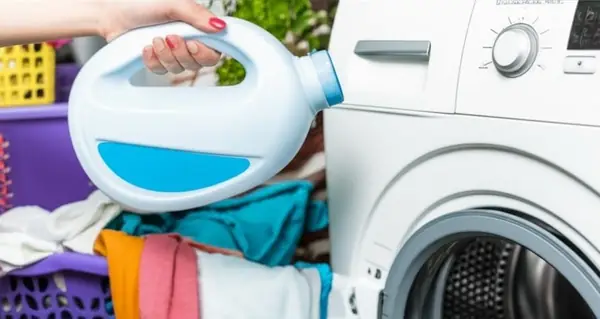
liquid detergent being poured

Complete Laundry Detergent Guide: Understand Your Formula And How To Use It

The fundamental purpose of laundry detergent is to cleanse textiles. It is a highly engineered blend of chemical compounds designed to perform the complex task of removing soil, oils, and stains from fabrics and suspending them in water to be rinsed away. While simple soap can clean, modern laundry detergent is scientifically formulated to overcome the limitations of soap, particularly its poor performance in hard water. Soap reacts with calcium and magnesium ions present in hard water to form an insoluble lime soap, or soap scum, which clings to fabrics, leaving them dingy, stiff, and trapping dirt. A quality laundry detergent contains ingredients called builders that specifically counteract these minerals, allowing the cleaning agents to function at their full potential in any water condition. Formulation The heart of every laundry detergent formulation is its surfactant system. Surfactants (surface-active agents) are the primary cleaning agents. These molecules have a dual personality: a water-loving (hydrophilic) head and an oil-and-dirt-loving (hydrophobic) tail. During the agitation of a wash cycle, the hydrophobic tails attach themselves to soil particles on clothing, prying them loose from the fabric fibers. The hydrophilic heads remain in the wash water, pulling the entire molecule—now carrying the dirt—away from the garment and keeping it suspended in the water so it cannot redeposit onto other clothes before being flushed out during the rinse cycle. Most formulations use a blend of surfactant types for comprehensive cleaning. Anionic surfactants are the workhorses, excellent at lifting and suspending particulate dirt. Nonionic surfactants, which have no electrical charge, are particularly effective at emulsifying and removing oily soils, and they perform very well in cooler water temperatures. This synergistic blend is a hallmark of a powerful laundry detergent.   Liquid, Powder, Pods or Sheets? Consumers can choose from several physical forms of laundry detergent: liquid, powder, pods, and sheets. Liquid laundry detergent dominates the market due to its convenience and effectiveness. It dissolves completely at any wash temperature, making it a reliable choice for cold-water washing to conserve energy and protect delicate fabrics. Liquids are stain-fighting powerhouses, especially on greasy spots like salad dressing or body oil, because they can be applied directly to the stain as a pre-treatment, allowing the surfactants to begin working immediately. The downsides are related to its composition and packaging. Being mostly water, it is heavy and bulky, increasing transportation costs and carbon emissions. Overdosing is also a common user error, leading to soap residue, machine malfunctions, and waste. Powder laundry detergent, the original modern format, remains a highly effective and economical option. Powders are generally less expensive per wash load and are exceptionally skilled at removing ground-in particulate stains like mud, clay, and grass. The very slight abrasive quality of the granules can help dislodge stubborn dirt. Furthermore, powder formulas can incorporate oxygen-based bleaching agents like sodium percarbonate more stably than liquids can, providing superior whitening and brightening action. The main challenge with powder laundry detergent is its potential for incomplete dissolution in very cold water, which can leave a white residue on dark clothes. It must also be stored in a completely dry environment to prevent clumping. Single-dose pods, or packs, represent the peak of convenience in the world of laundry detergent. These pre-measured, water-soluble packets contain highly concentrated liquid, and sometimes powder, often in separate chambers to keep ingredients stable until they are released in the wash. This design eliminates measuring and spillage, ensuring a perfect dose every time and preventing the problems associated with overuse. However, they are the most expensive option per load and offer no flexibility for adjusting the amount of laundry detergent for smaller or less soiled loads. Their small, candy-like appearance has also made them a safety risk in homes with small children, demanding vigilant storage. Laundry Detergent Sheets The newest format, laundry detergent sheets, addresses environmental concerns head-on. These are dehydrated, compressed sheets of detergent that dissolve in the wash. Their primary advantage is their eco-friendly profile: they are ultra-lightweight, compact, and typically packaged in plastic-free, recyclable cardboard. This drastically reduces packaging waste and the carbon footprint of shipping. They are mess-free and simple to use. While their cleaning power is sufficient for most day-to-day laundry, some heavy-duty stains might require the targeted power of a concentrated liquid or robust powder laundry detergent. Beyond the surfactants, an advanced laundry detergent contains a host of other critical ingredients. Builders, as mentioned, soften water. Historically, phosphates were the builder of choice due to their incredible effectiveness, but their use in laundry detergent was largely banned because they caused severe environmental damage by promoting algal blooms that depleted oxygen in lakes and rivers, a process known as eutrophication. Modern builders include substances like sodium citrate and zeolites, which sequester hard water minerals effectively without harming aquatic ecosystems. Stain Removers Enzymes are the specialized stain removers in a modern laundry detergent. These biological proteins are catalysts that target and break down specific types of stains into smaller, more easily removable particles. Protease dismantles protein-based stains (blood, grass, dairy). Amylase targets starch-based stains (gravy, potato). Lipase works on fats and oils (grease, lipstick). Cellulase works on cotton and cotton-blend fabrics, not only helping to release particulate soil but also snipping off the fuzzy microfibrils that cause pilling, which helps keep fabrics looking smooth and new. A laundry detergent without a multi-enzyme blend simply cannot compete on stain removal. Polymers are another unsung hero. Anti-redeposition polymers are added to keep the loosened dirt suspended in the wash water, preventing it from settling back onto cleaner clothes and causing dinginess. Soil-release polymers are even more advanced; they deposit a protective, invisible shield on fabrics (especially synthetics like polyester) that makes it harder for future stains to set in, ensuring easier cleaning in subsequent washes. pH modifiers, or alkalinity agents like sodium carbonate, are also included to raise the pH of the wash water. An alkaline environment helps to break down fats and oils and generally improves cleaning performance. Homemade Laundry Detergent A common question is about the viability of homemade laundry detergent. While the recipes seem simple—typically a mix of washing soda, borax, and grated bar soap—they are a significant step backward. These concoctions create soap, not a

Complete Laundry Detergent Guide: Understand Your Formula And How To Use It Read More »